Vehicle color - Fact or Fiction?
Vehicle color - Fact or Fiction?
We’ve all been given advice on which vehicle colors are smarter to purchase and why. For example, be cautious with red cars because they get more tickets. However, it leaves many people wondering, how accurate are these claims? Are they just an automotive version of an old wives’ tale?
Fact or Fiction: Some vehicle colors are more prone to accidents than others.
Fact!
There are quite a few studies that have been done on the correlation between car color and accidents. One popular research was by Monash University, and they found that black vehicles are more prone to accidents than other cars, such as white-painted vehicles. This doesn’t come to much surprise because black cars are harder to see during the evening and night hours. Along with this list, grey and silver were listed next, followed by blue and red vehicles.
Fact of Fiction: Red cars cost more to insure.
Fiction!
This is a common misconception about red vehicles. There are many factors that automotive insurance companies take into consideration when calculating premiums, but car color isn’t one of them.
Fact or Fiction: Car color can fluctuate resale value.
Fact!
Resale value is influenced by various factors such as mileage, age, and condition of the vehicle. Vehicles that are commonly produced colors such as white, grey, and black are usually more expensive than off-brand colors such as lime.
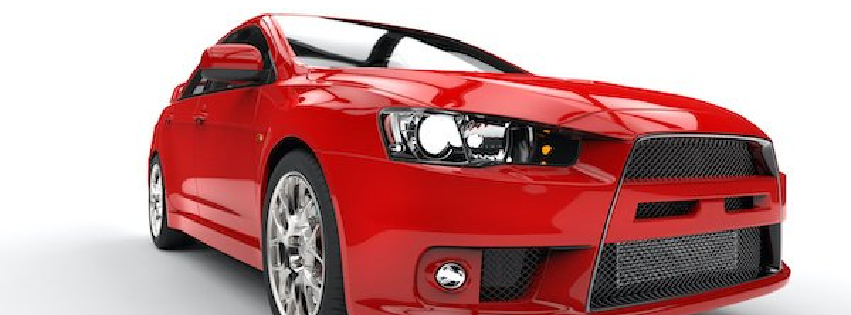
Fact or Fiction: Red cars get more tickets.
Fact-ish
According to Cnet.com, this is basically a yes, but why ‘basically’? There are a few credible stats by various law enforcement bureaus that correlate with this finding. Red cars do, in fact, receive more tickets but only after white vehicles. This may be because white cars are more prevalent and popular on the road.