
What is a Car Radiator?
What is a Car Radiator?
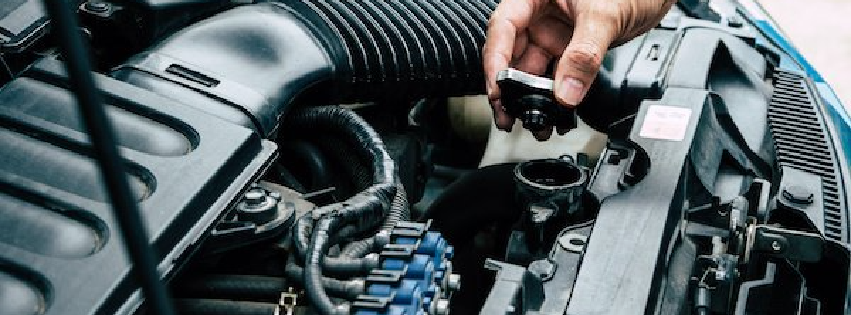
The mechanical car components always get heated, especially if the weather is sweltering. If this happens continuously, it may result in malfunctioning of the engine parts, especially the motor, if it isn't kept cool. That is why automakers have developed and installed a cooling system on their vehicles - to protect the engine!
A radiator is a car part installed in a vehicle engine compartment to provide continuous cooling of engines. There are various types of radiators, that is, cooling, heating, and climatic radiators. Each of them has a specific purpose but still, works using the same principle. However, there are two main categories of radiators in the automotive industry: tubular-lamellar and tubular and tape.
Tubular lamellar are of aluminum alloy with horizontally arranging tubes. Its commonly used in old cars. Its primary disadvantage is low heat transfer because of the small contact area. On the other hand, tubular and tape use long tubes folder in a coil shape, and their material is either brass or copper alloy or aluminum. They are of the modern card because of excellent thermal conductivity.
However, tubular-lamellar consists of two more radiators, one way, and multiple ways model. The two differ in terms of the principle of circulation.
How does it work
A motor cooling system works depending on the principal below. The engaged ICE rotates the water pump's impeller; thus, antifreeze starts to circulate in a small circle. When the liquid temperature reaches 80 to 90 degrees, the thermostat becomes activated, creating a larger circulation circle. Then, the engine warms up to the desired temperature very fast.
What causes overheating of the engines
Most vehicles overheat in hot weather, but it still happens if the radiator's coolant level is low or even leaking. Other possible reasons include mechanical damage, oxidation of the metal, natural wear, coolant freezing, and excessive pressure.
Preventive measure to take
- In case of emergency, use distilled water rather than ordinary water into the cooling system. You can also start the plans of advancing to antifreeze because it boils above 115 degrees. Also, it contains a lubricant that is beneficial to the impeller and other metal parts.
- Always change antifreeze on time, and if its level decreases, top it up.
- Have scheduled maintenance of the cooling system here at our shop.
Depending on the model of the radiator, you can opt for repair if you find yourself dealing with engine overheating problems. If you need radiator repair, we invite you to bring your vehicle into our auto repair shop today.