Honda Civic Maintenance Schedule: Tips to Keep Your Civic Running Smooth
Honda Civic Maintenance Schedule: Tips to Keep Your Civic Running Smooth

At Grove Street Auto Repair, we help Honda owners stay ahead of repairs with factory-recommended service, high-quality parts, and honest local advice. Here’s what every Civic owner should know about proper maintenance, common issues, and the local factors that affect your car’s performance.
Recommended Service Intervals for Honda Civics
Honda provides a clear maintenance schedule to help Civic owners avoid unexpected breakdowns and costly repairs. Below is a general guideline, but always check your specific model year’s recommendations.
Every 5,000–7,500 Miles
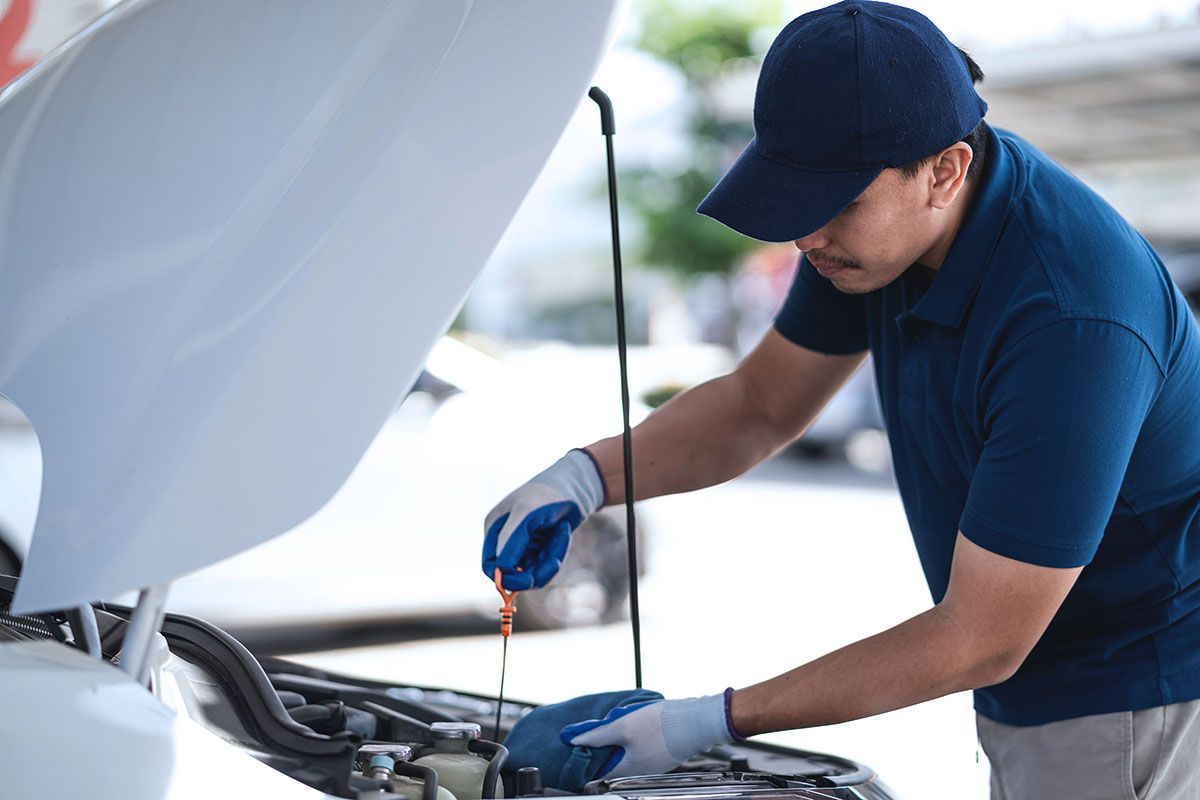
- Full-synthetic oil & filter change
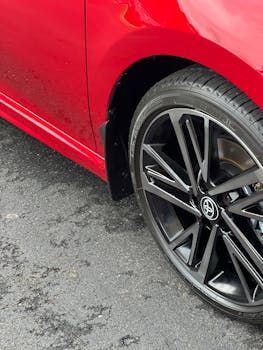
- Tire rotation
- Brake inspection
- Top of all fluids
- Visual inspection of belts, hoses, and suspension
Every 15,000 Miles
- Cabin air filter replacement
- Brake system cleaning & lubrication
- Alignment check (especially if you notice pulling or uneven tire wear)
Every 30,000 Miles
- Engine air filter replacement
- Transmission inspection
- Fuel system cleaning
Every 60,000 Miles
- Transmission fluid replacement (CVT Civics may need this sooner)
- Coolant flush
- Spark plug replacement on some models
Every 100,000 Miles
- Full inspection of engine components
- Timing chain check
- Major service depending on mileage and wear
Keeping up with these intervals helps prevent premature wear, protects your engine, and maintains the Civic’s excellent fuel efficiency.
Common Issues Honda Civic Owners Should Watch For
Honda Civics are known for reliability, but no car is perfect. Here are some of the most common issues Civic owners may encounter, along with early signs that it’s time to visit a trusted repair shop.
1. Brake Wear
Civics often experience accelerated brake wear due to commuting and stop-and-go driving.
Watch for: squeaking, grinding, or vibration when braking.
2. Tire Alignment Problems
Northeast roads and potholes can easily knock your alignment off.
Watch for: pulling to one side, uneven tire wear, steering wheel off-center.
3. A/C or Heat Performance Issues
Clogged cabin filters, low refrigerant, or blower motor problems can affect comfort.
Watch for: weak airflow, unusual smells, or inconsistent temperature.
4. Transmission Hesitation (Especially CVT Models)
CVT Civics need regular fluid changes to prevent slipping or lagging.
Watch for: jerking, rpm spikes, delay when accelerating.
5. Engine Oil Dilution Concerns (Certain Turbo Models)
Some turbocharged Civics may experience fuel mixing with oil.
Watch for: rising oil level, gasoline smell, or poor performance.
Addressing these issues early keeps your Civic driving like new and prevents larger, costlier repairs down the road.
Why Local Driving Conditions in Franklin Affect Your Civic
Franklin, MA may seem like a gentle driving environment, but certain regional factors impact your Honda Civic’s maintenance needs.
Cold Winters & Road Salt
Salt accelerates rust, especially on brake lines, exhaust components, and suspension parts.
Potholes & Uneven Roads
Common after winter, they cause alignment issues, bent rims, and premature tire wear.
Stop-and-Go Traffic on Local Roads
Frequent braking increases wear on pads, rotors, and transmissions.
Short Local Trips
Short drives don’t let the engine fully warm up, causing condensation buildup and faster fluid degradation.
Because of these conditions, Franklin drivers often benefit from more frequent inspections, tire rotations, and brake checks than the national average.
Keep Your Honda Civic Running Smooth at Grove Street Auto Repair
Regular maintenance is the key to protecting your Honda Civic and ensuring it lasts for many years. At Grove Street Auto Repair, we follow Honda factory guidelines, use high-quality parts, and provide honest, transparent service for every customer.
- Experienced Honda technicians
- Full maintenance & repair services
- Quick turnaround times
- Local shop trusted by Franklin drivers
Whether you’re due for an oil change, dealing with a warning light, or simply want a professional inspection, we’re here to help.
Call Grove Street Auto Repair or schedule your Honda Civic service online today.