Understanding the Antilock Brake System: How ABS Ensures Safety
Understanding the Antilock Brake System: How ABS Ensures Safety
Modern braking is about more than stopping the wheels. An antilock brake system helps a driver slow down hard while keeping the tires from locking up, which can preserve steering control in a panic stop. This guide explains how ABS brakes work, why the warning light matters, and what you can safely check before scheduling a professional diagnosis.
What is a antilock brake system?
An antilock brake system, often called ABS, is a safety feature designed to prevent the wheels from locking during hard braking. When a wheel locks, the tire stops rotating and starts sliding, which reduces traction and can make the vehicle harder to steer. ABS brakes rapidly adjust brake pressure at individual wheels so the tires keep rolling just enough to maintain grip.
In everyday driving, you may never notice the system. It works in the background until a sudden stop, wet pavement, loose gravel, snow, or another low-traction situation forces the brake system to react quickly. If you have ever felt the brake pedal pulse during a hard stop, that was likely the car ABS brake system modulating pressure.
The main parts that make ABS work
Anti-lock brakes rely on a few key components working together. The system is electronic, hydraulic, and mechanical at the same time, which is why a warning light can come from something as simple as a damaged sensor wire or as complex as a failed control module.
Core ABS parts include:
- Wheel speed sensors: These monitor how fast each wheel is rotating. If one wheel suddenly slows much faster than the others, the system interprets that as a potential lockup.
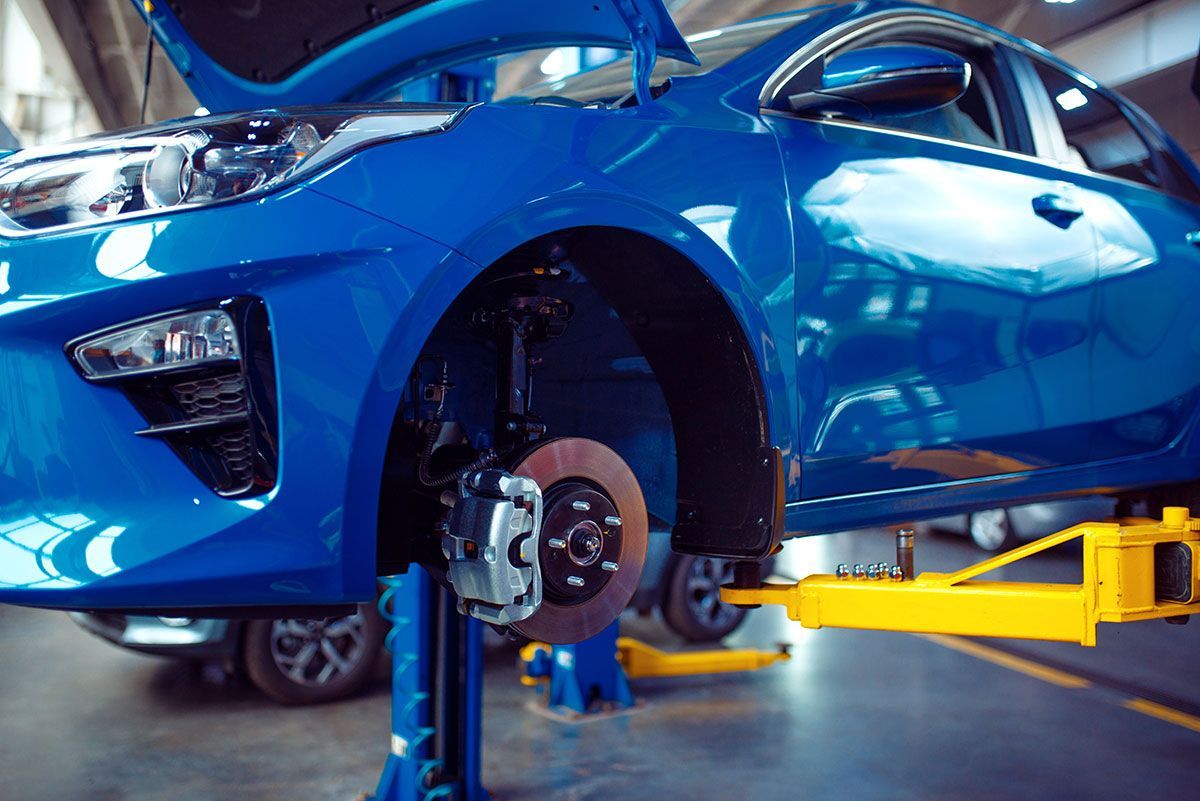
- Tone rings or reluctor rings: These toothed or magnetic rings rotate with the wheel hub, axle, or bearing assembly. The sensor reads the ring’s movement to create a wheel speed signal.
- ABS control module: This electronic controller compares wheel speed data and decides when to reduce, hold, or reapply brake pressure.
- Hydraulic modulator: This valve and pump assembly changes brake pressure rapidly when the control module commands it.
- Brake lines, calipers, pads, and rotors: These are the familiar service brake components that actually create friction to slow the vehicle.
Tone rings deserve special attention because they are easy to overlook. A cracked ring, rust buildup, missing tooth, damaged magnetic strip, or debris on the ring can distort the speed signal even if the sensor itself is still working. To the ABS module, a bad signal can look like a wheel is slipping, locking, or moving at the wrong speed.
How the system reacts during a hard stop
When you press the brake pedal firmly, hydraulic pressure moves through the brake system to clamp the pads against the rotors. In a vehicle without ABS, too much pressure can stop a wheel from rotating. Once that happens, the tire skids instead of gripping and rolling.
With anti lock brakes, the ABS controller watches for that rapid wheel deceleration. If it detects a lockup risk, it commands the hydraulic modulator to reduce pressure to that wheel for a split second. Then it reapplies pressure, checks the wheel speed again, and repeats the process rapidly.
That cycle can feel like vibration, buzzing, or pulsing through the pedal. Some drivers mistake that sensation for a problem and lift off the brakes, but during an emergency stop with ABS, the usual advice is to press firmly and keep steering. The system is doing the “pumping” for you far faster and more precisely than a person could.
In practical terms, ABS is not just about stopping shorter in every condition. Its biggest benefit is helping you keep directional control. If a child, animal, stalled car, or road hazard appears suddenly, steering around danger may matter as much as braking hard.
Why anti-lock brakes matter in real driving
ABS is most valuable when traction changes quickly. Think about a rainy intersection, a patch of sand near a construction zone, leaves on pavement, or a shaded stretch of winter road. In those moments, locked wheels can turn a controlled stop into a slide.
A properly functioning antilock brake system helps by:
- Maintaining steering control while braking hard
- Reducing the chance of an uncontrolled skid
- Balancing braking force between wheels with different grip levels
- Supporting related safety systems, such as traction control and stability control
- Helping the driver stay focused on steering rather than manually pumping the pedal
ABS does not override physics. Worn tires, excessive speed, poor road conditions, overloaded vehicles, and distracted driving still increase risk. The system gives you a better chance to stay in control, but it cannot create traction that the tires and road surface do not have.
For example, if you are driving down Grove Street after a storm and hit a slick patch near a crosswalk, ABS may help keep the front wheels rolling so you can brake and steer. Without that help, locked front wheels could make the vehicle continue straight even if you turn the steering wheel.
What does the ABS warning light mean?
The ABS warning light means the vehicle has detected a fault in the antilock portion of the brake system. In many cases, the normal service brakes still work, but the anti-skid function may be disabled until the problem is fixed. That means the car may stop normally in routine driving but behave differently in a panic stop or on slippery pavement.
The light may appear as “ABS,” “ANTILOCK,” or a related brake warning depending on the vehicle. It may come on briefly when you start the car as part of a self-check. If it stays on, comes back after driving, or appears with traction control or stability control lights, the system needs attention.
Common causes include:
- Faulty wheel speed sensor Sensors live near the wheels, where they face heat, water, dirt, road salt, vibration, and impact damage. A weak or broken signal is one of the most common reasons an ABS light comes on.
- Damaged tone ring A cracked, corroded, dirty, or misaligned tone ring can confuse the sensor. The module may receive an uneven speed signal and disable ABS to prevent incorrect operation.
- Blown fuse or electrical issue ABS needs stable power and ground connections. A blown fuse, corroded connector, damaged harness, or weak battery condition can interrupt communication.
- Low brake fluid Some vehicles may trigger brake-related warnings when fluid is low. Low fluid can also point to worn brake pads or a leak, so it should not be ignored.
- ABS module or hydraulic pump failure The control module, valves, or pump can fail internally. These repairs usually require proper diagnostic equipment and vehicle-specific testing.
- Wheel bearing or hub problems On many vehicles, the wheel speed sensor or tone ring is integrated into the hub or bearing assembly. A worn bearing can create signal issues or require replacement as a unit.
Safe checks before you call a mechanic
You do not need to disassemble the brake system to do a few basic checks. The goal is not to guess at parts, but to rule out simple concerns and decide how urgently you need help.
Try these steps only if you can do them safely:
- Confirm which light is on. An ABS-only light is different from a red brake warning light. A red brake light can indicate a more urgent issue such as low fluid, parking brake engagement, or hydraulic trouble.
- Check the brake fluid level. Look at the reservoir markings. If the level is low, do not simply top it off and forget it; find out why it dropped.
- Inspect the ABS fuse. Your owner’s manual or fuse box cover may identify the ABS fuse. Replace only with the correct rating if it is blown.
- Look near the wheels. Without crawling under an unsafe vehicle, check for obviously damaged wires, loose connectors, or heavy debris around the wheel area.
- Notice related symptoms. Grinding brakes, a soft pedal, pulling to one side, or fluid leaks are reasons to stop driving and get service promptly.
A scan tool that can read ABS codes is often needed for the next step. Many basic code readers only read engine codes, not ABS module data. A professional-grade scan can identify which wheel or circuit is reporting a problem, then the technician can test the sensor, wiring, tone ring, and module before recommending parts.
Is it safe to drive with the ABS light on?
It may be possible to drive carefully with the ABS light on if the normal brake pedal feels firm, the vehicle stops normally, and no red brake warning light is present. However, the vehicle may not have anti-lock braking protection during an emergency. That makes slippery roads, sudden stops, and high-speed driving more risky until the fault is repaired.
If both the ABS light and the red brake warning light are on, treat the situation more seriously. The issue may involve the base brake system rather than only the antilock function. If the brake pedal feels soft, sinks, vibrates abnormally outside ABS activation, or the vehicle does not stop as expected, do not continue driving.
Even when the car seems normal, delaying repair can create extra problems. ABS data may also be used by traction control, stability control, and in some vehicles, transmission control logic. A faulty wheel speed signal can therefore cause warning lights, shifting concerns, or reduced driver-assistance performance beyond the brakes themselves.
What not to do when ABS activates
ABS can surprise drivers the first time it engages. The pedal may pulse, the system may make noise, and the vehicle may feel different underfoot. Those sensations are normal during activation and do not mean the brakes have failed.
Avoid these common mistakes:
- Do not pump the brake pedal during ABS activation. Hold firm pressure and let the system modulate braking.
- Do not release the pedal because it vibrates. The pulsing means the system is actively managing wheel lockup.
- Do not ignore tire condition. ABS works through the tires, so worn or mismatched tires reduce its effectiveness.
- Do not assume the shortest stop is guaranteed. On some loose surfaces, stopping distance can vary, but steering control remains the key benefit.
- Do not clear warning codes without diagnosis. If the underlying fault remains, the light will likely return.
The best way to build confidence is to understand what ABS feels like before a real emergency. If you have access to a safe, open, legal training environment, controlled braking practice can help you recognize pedal pulsing without panic.
Keeping the brake system dependable
ABS maintenance is closely tied to ordinary brake care. A neglected brake system can create heat, vibration, corrosion, and fluid problems that affect more than pads and rotors. Regular inspections help catch worn friction material, leaking components, damaged wiring, and wheel-end issues before they become urgent.
Good habits include checking brake fluid as recommended for your vehicle, replacing worn pads before they damage rotors, addressing wheel bearing noise promptly, and keeping tires properly inflated. If the ABS light appears after recent brake, hub, axle, or suspension work, mention that history to the technician. It can help narrow the search to a disturbed sensor, connector, tone ring, or harness.
Drivers often search for “what is a antilock brake system” after a warning light appears, but ABS is worth understanding before something goes wrong. It is one of the systems you may only need for a few seconds, yet those seconds can be critical.
The key takeaway
Anti-lock brakes help prevent wheel lockup by monitoring wheel speed and rapidly adjusting brake pressure during hard stops. When ABS is working correctly, it supports steering control and helps the vehicle remain more stable in low-traction situations. When the ABS light stays on, the safest response is to check simple items like fluid and fuses, then arrange proper diagnostics instead of guessing.
Your brakes are too important for wait-and-see maintenance. If the warning light is on, the pedal feels unusual, or the vehicle behaves differently while stopping, have the brake system inspected before the next emergency stop makes the problem harder to ignore.